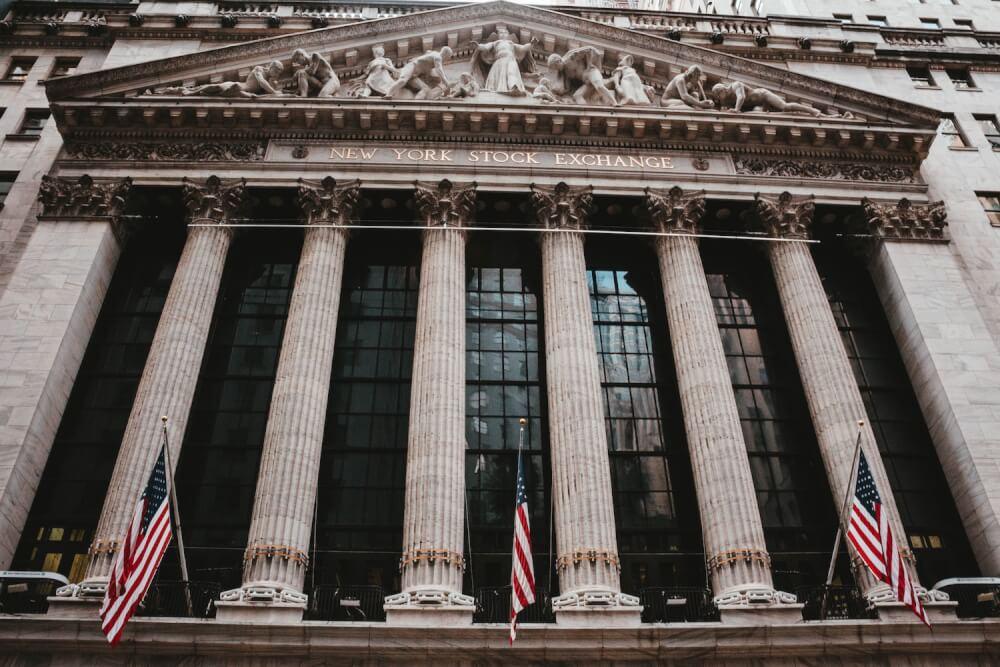
On April 17, 2026, the New York Stock Exchange (NYSE) took a historic step toward modernizing global financial infrastructure by filing a formal rule change proposal with the Securities and Exchange Commission (SEC). The filing, designated as SR-NYSE-2026-17, aims to introduce Rule 7.50 and amend existing provisions to allow the listing and trading of tokenized versions of traditional securities. Modeled after a similar framework recently pioneered by Nasdaq, the NYSE proposal builds upon the Depository Trust Company’s (DTC) three-year tokenization pilot program. Under this new rule, eligible securities—initially limited to constituents of the Russell 1000 Index and major index-tracking ETFs—could be traded as digital representations on a blockchain, bringing the efficiency of distributed ledger technology to the world’s most liquid equities market while maintaining the rigorous oversight of existing regulatory standards.
Fungibility and Seamless Integration with Traditional Markets
A core pillar of the NYSE’s proposal is the concept of absolute fungibility between traditional and tokenized shares. According to the filing, tokenized securities must share the same CUSIP number, trading symbol, and shareholder rights as their paper-based counterparts. This ensures that both forms of the security can trade with equal priority on a single, unified order book. At the point of execution, member organizations can specify a preference for tokenization, providing a wallet address for the asset to be cleared and settled in digital form via the DTC’s infrastructure. If an issue arises with the selected blockchain or wallet eligibility, the trade simply defaults to a conventional settlement. This “hybrid” approach allows the NYSE to introduce the benefits of blockchain—such as potential for 24/7 trading and atomic settlement in the future—without fragmenting liquidity or disrupting the T+1 settlement cycle currently mandated for the broader market.
A Multi-Phase Strategy for the Future of Exchanges
The current filing represents just one phase of the NYSE’s broader digital asset roadmap. While the initial proposal focuses on integrating tokenization into existing trading hours and infrastructure, the Exchange has signaled plans for a dedicated venue capable of supporting 24/7 operations, instant settlement, and stablecoin-based funding. By moving the Russell 1000 into the tokenized era, the NYSE is positioning itself to compete with decentralized platforms and younger, “digital-first” stock exchanges. As institutional demand for “Real World Asset” (RWA) tokenization reaches an all-time high in 2026, this move by the Intercontinental Exchange-owned giant validates the transition of the legacy financial system toward a programmable, on-chain future. The SEC is currently reviewing the proposal, with a decision expected by the end of the second quarter, a timeline that would allow the NYSE to begin its first tokenized trades before the close of 2026.
