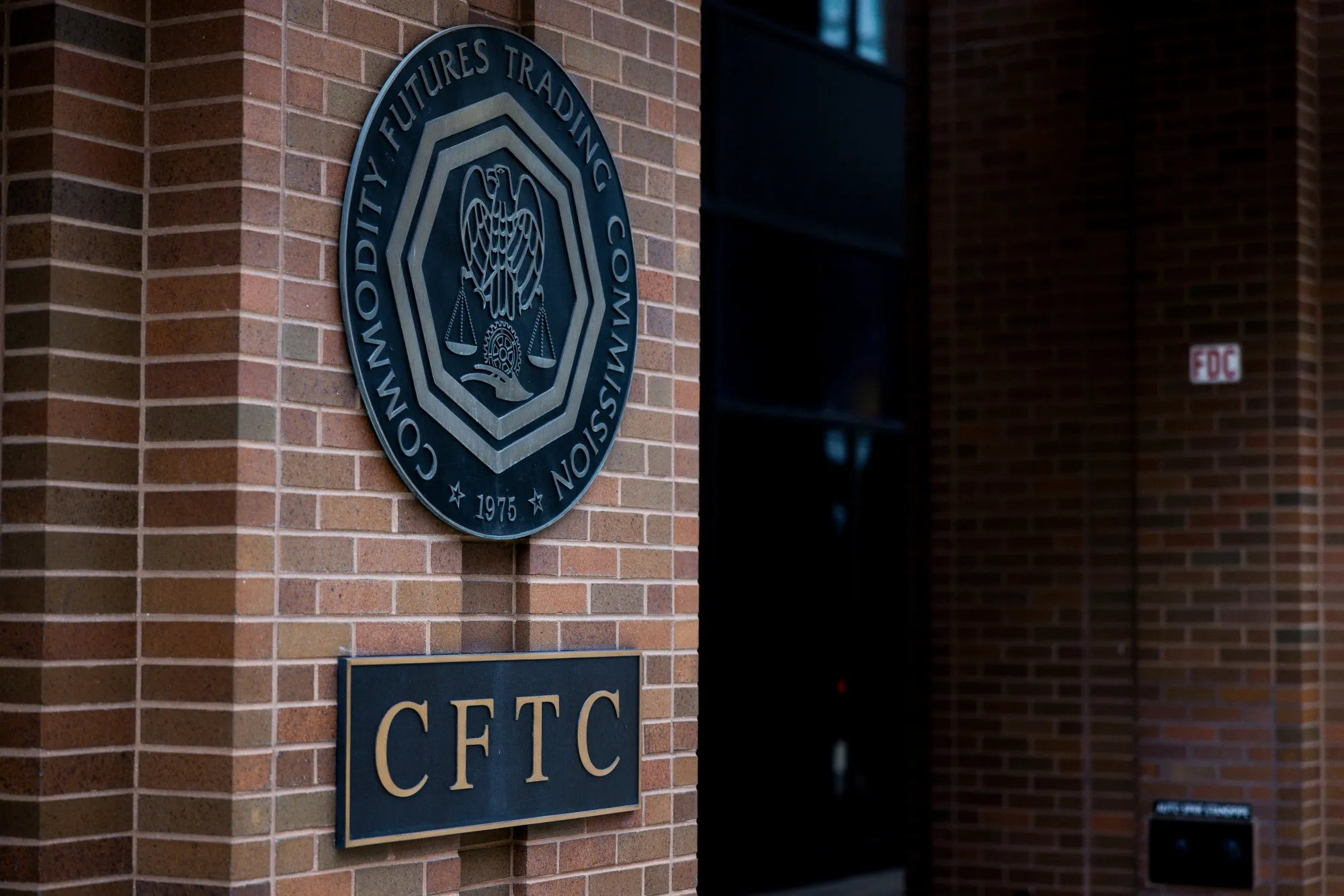
The U.S. Securities and Exchange Commission (SEC) and the Commodity Futures Trading Commission (CFTC) have issued joint guidance outlining how federal securities and commodities laws apply to crypto assets, marking a significant step toward reducing regulatory ambiguity in the digital asset sector.
The guidance is part of a broader coordination effort between the two agencies, formalized through a memorandum of understanding aimed at aligning oversight of crypto markets. The initiative reflects increasing demand from market participants and policymakers for clearer regulatory boundaries as digital asset activity expands across financial markets.
At the center of the framework is a clearer delineation of jurisdiction. The SEC will continue to oversee digital assets classified as securities under existing legal standards, while the CFTC will retain authority over digital commodities, including major tokens such as Bitcoin and Ether.
Clarifying jurisdiction between securities and commodities
The joint guidance seeks to address long-standing uncertainty around asset classification, a key issue for crypto firms navigating overlapping regulatory regimes. By reinforcing distinctions between securities and commodities, regulators aim to reduce compliance risks and provide a more predictable operating environment.
The agencies indicated that further work will focus on defining treatment for hybrid or evolving assets, including tokenized securities and derivatives linked to crypto commodities. These categories have historically created regulatory overlap, complicating compliance for exchanges, issuers, and institutional investors.
To streamline oversight, the framework introduces mechanisms intended to minimize duplicative requirements. Under certain conditions, firms regulated by one agency may be able to satisfy overlapping obligations of the other, reducing administrative burden while maintaining regulatory standards.
The guidance also establishes a joint engagement channel through which market participants can seek clarification prior to launching new products. This approach is designed to shift regulatory interaction toward preemptive guidance rather than reliance on enforcement actions.
Implications for crypto market structure and regulation
The coordinated framework signals a move toward a more structured and collaborative regulatory approach in the United States. By aligning oversight between the SEC and CFTC, the agencies aim to provide clearer pathways for innovation while maintaining investor protection and market integrity.
For market participants, the development addresses a core structural challenge in U.S. crypto regulation: uncertainty over whether a digital asset falls under securities or commodities law. This ambiguity has historically created legal risks and operational complexity for platforms operating across multiple jurisdictions.
The guidance also aligns with broader legislative efforts to establish a comprehensive regulatory framework for digital assets. Policymakers have increasingly focused on defining the respective roles of the SEC and CFTC to support market development while ensuring appropriate oversight.
Institutional investors are likely to view the move as a step toward greater regulatory clarity, which may support increased participation in digital asset markets. Clearer rules can reduce compliance friction and provide a more stable foundation for capital allocation.
While the guidance does not introduce new statutory requirements, it provides a more consistent interpretation of how existing laws apply to crypto assets. As the regulatory landscape continues to evolve, the joint effort between the SEC and CFTC represents a key development in shaping the future structure of digital asset markets in the United States.
