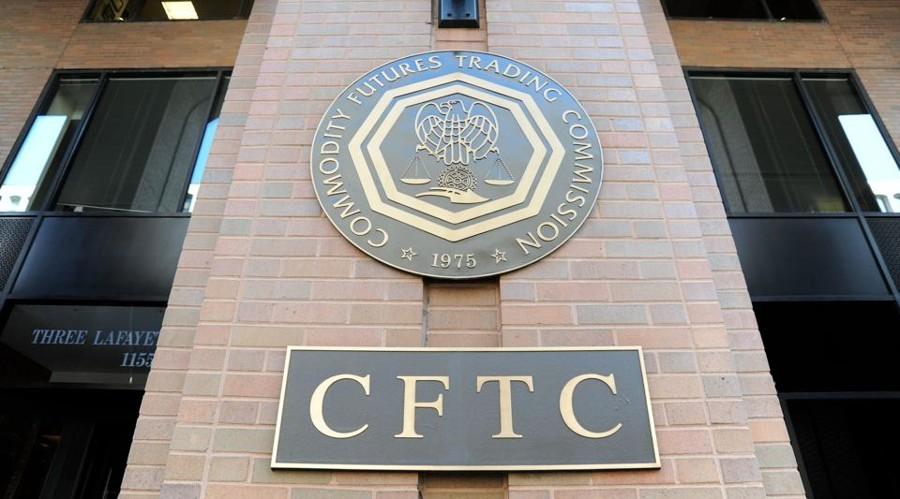
On April 16, 2026, the Commodity Futures Trading Commission (CFTC) officially launched a high-priority investigation into a series of “well-timed” oil futures trades that generated hundreds of millions of dollars in profits immediately preceding major policy shifts by President Donald Trump. The probe centers on at least two specific instances over the past three weeks where trading volumes on the CME Group and Intercontinental Exchange (ICE) spiked minutes before the President’s social media announcements regarding the conflict in Iran. The most significant of these events occurred yesterday, when an approximately 950 million dollar bet on declining oil prices was placed shortly before a ceasefire agreement was made public, causing energy prices to plummet. CFTC Chairman Michael Selig characterized the activity as “potentially historic in scale,” emphasizing that the agency is now actively reviewing “Tag 50” identification data to unmask the entities behind the trades and determine if material non-public information was leaked from within the administration.
Tracking the “Hormuz Profits” and Prediction Market Activity
The investigation is particularly focused on the “Hormuz Shock” volatility, where oil prices have whipsawed between 110 and 95 dollars based on speculation surrounding the Strait of Hormuz blockade. On March 22 and again on April 14, market participants executed large, directional bets that perfectly anticipated “hardened” reversals in the President’s public rhetoric, leading to allegations of the largest instance of insider trading in U.S. history. Congressman Ritchie Torres and Senator Elizabeth Warren have both called for a joint federal probe with the SEC, noting that the timing of these trades—often occurring within a 15-minute window before a post—is too precise to be explained by simple algorithmic speculation. Furthermore, the CFTC is extending its surveillance to decentralized prediction markets like Polymarket and Kalshi, where newly created accounts reportedly generated six-figure profits betting on the ceasefire hours before the official confirmation. This “hardened” multi-venue approach aims to close the visibility gap that has historically allowed sophisticated actors to hide “leak-driven” trades within the opaque derivatives and prediction ecosystems.
Strengthening Market Integrity and the Risk of Administrative Leaks
As the CFTC moves to “vigorously surveil” the energy markets, the focus has turned to the “regulatory security” of the 2026 administration’s communications. The White House has referred all questions to the CFTC, but the political pressure to “hold corrupt actors accountable” is mounting as the 2026 midterm elections approach. Chairman Selig has warned that any individual found to be engaging in “fraud, manipulation, or insider trading” will face the full force of the law, including potential criminal referrals. This “hardened” enforcement stance is intended to restore investor confidence in the U.S. derivatives market, which has been rattled by the perception that sensitive diplomatic decisions are being “front-run” by insiders. For the 2026 participant, the CFTC investigation is a critical test of the “Information Finance” era—a period where the speed of social media communication has outpaced traditional oversight mechanisms. As the agency begins its formal data collection from global exchanges, the focus remains on whether the “hardened” forensic tools of the 2026 regulator can finally bridge the gap between digital-speed trading and the slow pace of administrative justice.
