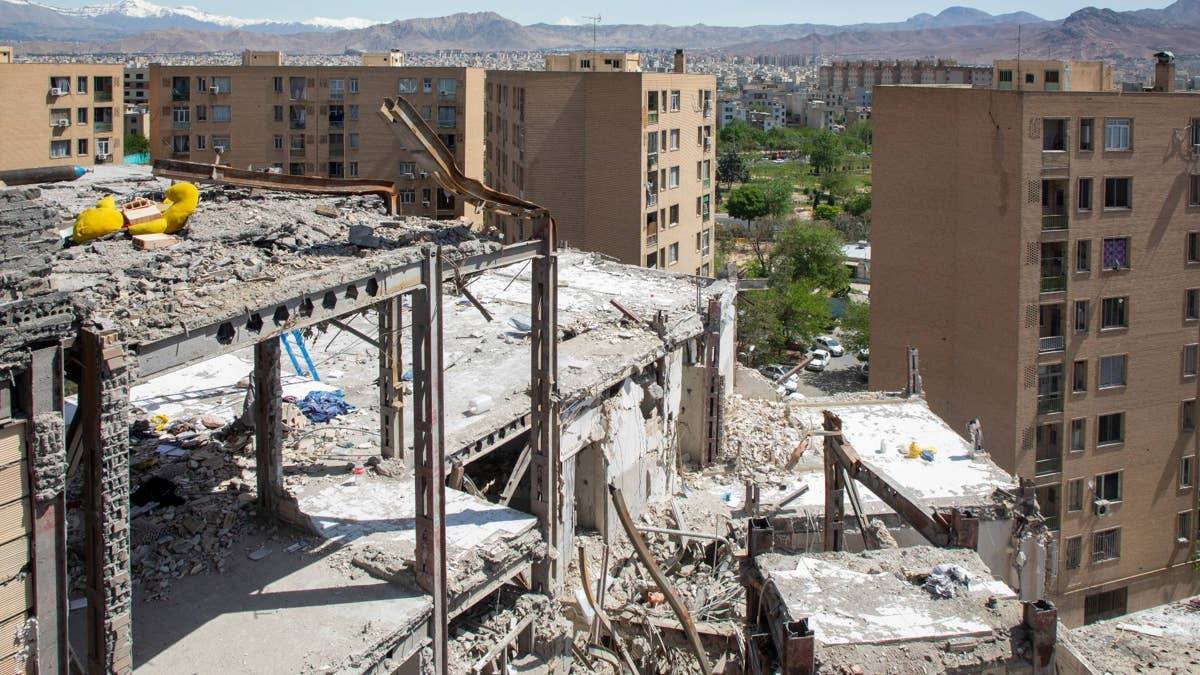
The Pentagon says the first six days of the Iran war cost $11.3 billion. A Harvard professor says that number is wrong, and that the eventual bill will be far larger than anyone in Washington is admitting.
“I am certain we will reach $1 trillion for the Iran war,” said Professor Linda Bilmes, a public policy expert at Harvard Kennedy School, according to CNBC. “Perhaps we have already racked up that amount.”
Why the Pentagon’s Iran war cost number is an undercount
Bilmes says the official $11.3 billion figure for the first six days is already a significant understatement. Her own calculation puts that figure closer to $16 billion.
“These gaps are one reason why the reported $11.3 billion is closer to $16 billion, and they reflect a persistent gap between what the Pentagon reports in real time and what the war actually costs,” she told CNBC.
MoreEconomy:
- Goldman Sachs resets oil-price bets as war rages on
- How Fed meeting impacts mortgage rates, housing market
- IMF drops blunt warning on US economy
The core problem is how the Pentagon accounts for what it spends. The agency reports costs based on the historical value of its inventory rather than what it actually costs to replace those assets today, which is typically far higher.
The cost asymmetry in this conflict is striking. Each U.S. interceptor missile costs approximately $4 million to replace. Each Iranian drone it intercepts costs around $30,000 to build, according to Newser.
The U.S. fired more Patriot missiles in the first four days of the Iran war than it had supplied to Ukraine over four years, Fast Company noted.
How the Iran war bill grows toward $1 trillion
Bilmes estimates the upfront direct costs ran at approximately $2 billion per day across 40 days of live conflict, according to CNBC. That includes munitions, troop deployments, and the loss of military assets, including three F-15 fighter jets shot down due to friendly fire from Kuwait.
But the upfront costs are what Bilmes calls “the tip of the iceberg.” The Pentagon has asked Congress to set aside an additional $200 billion for Iran war operations. Even if Congress rejects that full amount, Bilmes said, “it is highly likely that at least $100 billion per year will be added to the base defense budget that would not have been approved in the absence of this war.”
Long-term costs also include reconstruction, new procurement contracts, and disability benefits for approximately 55,000 troops exposed to environmental hazards during the conflict, CNBC indicated.
Then there is the debt burden. “We are borrowing to finance this war at higher rates, on top of a much larger debt base,” Bilmes said. “The result is that the interest costs alone will add billions of dollars.”
Saeedi/Getty Images
Why the debt context makes Iran war more expensive than Iraq
Bilmes is not making this argument for the first time. She co-authored “The Three Trillion Dollar War: The True Cost of the Iraq Conflict” with Nobel laureate economist Joseph Stiglitz, which made a similar case about hidden war costs.
The Iran war, however, starts from a far more precarious fiscal position. The Iraq war cost roughly $2 trillion in total. Public debt during that period was under $4 trillion.
Today, U.S. gross national debt has reached $39 trillion, Committee for a Responsible Federal Budget notes. Borrowing costs are also higher now than they were during Iraq, which compounds the interest burden on every dollar spent.
Key cost figures for Iran war:
- Pentagon’s reported first-six-days cost: $11.3 billion, according to CNBC
- Bilmes’ adjusted first-few-days estimate: Approximately $16 billion
- Daily upfront cost during active conflict: About $2 billion, Fast Company explained
- Pentagon’s additional war funding request: $200 billion, CNBC indicates
- Bilmes’ minimum annual defense budget increase estimate:$100 billion per year
- U.S. interceptor missile replacement cost: Approximately $4 million each
- Iranian drone cost: Roughly $30,000 each, according to Newser
- Total war cost projection: Up to $1 trillion, Bilmes noted
- U.S. public debt today: $39 trillion, the Committee for a Responsible Federal Budget confirmed, compared with under $4 trillion during the Iraq war
What mounting Iran war costs mean for consumers, economy
The costs are not just hitting the federal budget. Gas prices have already seen their largest jump in approximately 60 years since the conflict began, driving up consumer air travel costs and feeding broader inflation pressure.
The International Monetary Fund warned that if the conflict continues to escalate, a global recession becomes possible. The Trump administration is also expected to ask Congress for between $80 billion and $100 billion in dedicated Iran war funding, the Washington Post reported.
Bilmes’ core message is that wars almost never stay contained to their original price tag. The $11.3 billion figure will look small against the full bill.
“There are many dangers, but they are not all military threats,” she said, according to Fast Company. The fiscal damage, she argues, is one of the most consequential and least-discussed costs of the conflict.
Related: Tax deductions and credits you don’t want to miss
